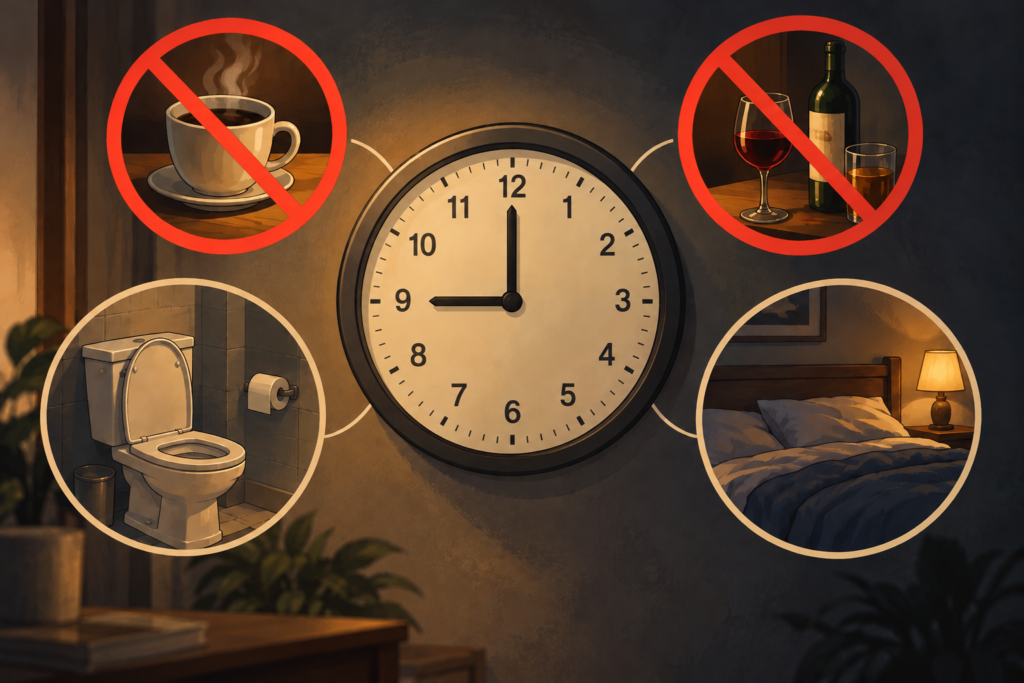
The clock reads 3:00 AM. The house is completely still, but a sudden, urgent trip to the bathroom brings an abrupt end to your sleep. For many men past the age of 40, this is no longer an occasional inconvenience—it is a recurring nightly disruption that begs an important question: is your body trying to tell you that something is no longer operating as it should?
It is easy to dismiss frequent nighttime urination as an inevitable part of growing older. However, waking up repeatedly throughout the night (nocturia) is rarely just a matter of bladder capacity. It is a clear biological signal reflecting deeper physiological shifts that deserve your attention.
4 Biological Signals That Things Are Shifting
1.Physical Pressure from an Enlarging Prostate As the prostate naturally expands with age, it can place subtle, continuous pressure on the urethra. This prevents the bladder from emptying completely during the day, leaving residual volume that triggers frequent, urgent nighttime signals even when small amounts of urine accumulate.
2. Hormonal Imbalances on the Rise Frequent nighttime waking often mirrors changes in male hormone production. As natural testosterone levels decline, the ratio of dihydrotestosterone (DHT)—the primary driver of prostate cell growth—increases. This hormonal shift influences not only urinary function but also overall male vitality and stamina.
3. Low-Grade, Silent Inflammation An unpredictable, sudden urge to urinate often stems from low-grade inflammation within the prostate or bladder lining. Chronic tissue irritation causes the bladder wall to become hypersensitive and overly reactive, signaling urgency when it should naturally remain relaxed.
4. Sluggish Circadian Circulation If you notice fluid pooling around your ankles or lower legs by late afternoon, only to produce large volumes of urine once lying flat at night, your body is signaling a slowdown in circulatory efficiency. Gravity traps fluid during upright hours, forcing the kidneys to work overtime once you lie down.
The Evening Protocol: Responding to Your Body’s Signals
Restoring uninterrupted rest requires working with your body’s natural evening biology rather than ignoring its warning signs. Structuring your evening routine can significantly reduce nighttime wakefulness:
17:00 (Leg Elevation & Fluid Release): Elevate your legs above heart level for 20 minutes to encourage pooled lower-body fluids to re-enter circulation and process before bedtime.
18:00 (The Tapering Phase): Taper off caffeinated drinks, alcohol, and heavily spiced meals to prevent irritation of the bladder lining.
20:00 (Liquid Cutoff Window): Sip small amounts of water for thirst but cease large fluid intake roughly 2 hours before sleep.
Bedtime (Double-Voiding Technique): Urinate naturally, wait 30 seconds, and try once more to ensure complete bladder emptying.
Restoring Restful Nights and Daily Energy
Waking up in the early hours of the morning should not be accepted as an unavoidable side effect of aging. By recognizing these subtle warning signs and supporting your prostate through mindful daily habits, you can protect your sleep architecture, restore daytime energy, and maintain long-term confidence.